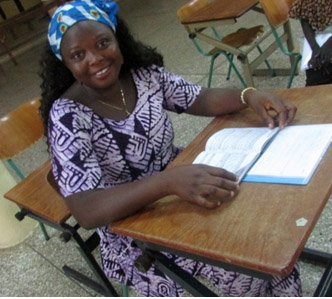
 Kindergarten teacher Kindergarten teacher
I am a 31-year old woman from Langbinsi. I was born and brought up in a Christian home with a relatively small family. I am second of five children.
I did my elementary education – both primary and junior high school - in Langbinsi Roman Catholic (RC) education unit and completed in 1997. I attended Bolga Girls Senior High from 1998 to 2000. After completing high school I was fortunate to be employed by PAMBE Ghana as a classroom teacher in 2009. Three years later, PAMBE Ghana sponsored me and two other colleague teachers to do diploma in basic education (DBE) at the university of Cape Coast by distance learning. I successful completed the course and now hold a DBE diploma.
I love teaching children. When I was in junior high school I started teaching Sunday school and enjoyed it. I am married and have two beautiful daughters, Lovina and Lordina. We live together with my husband in Langbinsi.
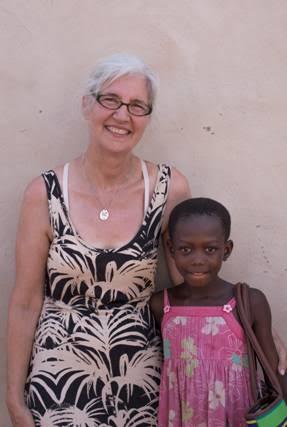 By Judy Federa By Judy Federa
Getting around northern Ghana is tough. Not only does the road system peter out in very rural areas, moving from paved to unpaved, but public transportation is inconvenient and slow. Just like home! Unlike home, most people can’t afford cars or bikes. So folks do what we do: they use cell phones to keep in touch. Alice says that cell phones are ubiquitous, and that almost everyone has one or plans to buy one. There is hardly any village, no matter how remote, where there is not a phone. They are so prevalent, that it is common to observe a toddler pick up an object and put it to their ear. Just like home!
Ghanaians don’t tend to have smart phones due to the expense, and Ghana’s internet infrastructure. But a no-frills cell phone is relatively cheap. Most people in villages are not literate, so they ‘dial’ their cell phones using voice commands. They also use their cell phones to play music. This surprised me until I realized that without electricity, they didn’t have much access to recorded music – cell phones opened up new and wonderful possibilities.
But I wondered - how, in remote areas without electricity, do all these cell phone users charge their phones? These villages are truly remote and often consist of mud hut compounds surrounded by agricultural fields. You might see goats or guinea hens. Lizards. You might see a water pump. No stores or identifiable commercial sections.
Alice explained that this is tricky. There are solar energy installations in some places. A few people exercise their ingenuity with dry cell batteries. Most people have to travel 2-4 miles, to another village, to charge their cell phones. Once they arrive at the home or small business, they must pay cash for the charge. What a seriously inconvenient way to have to do something that we find so simple and routine.
People who are fortunate enough to live in a village that has been electrified via Ghana’s ongoing rural electrification program have literally experienced changed lives. They can charge their cell phones at home, at a radically lower cost in personal time and cash. For them it is much, much easier to keep in touch with loved ones.
Because of PAMBE Ghana’s major role in bringing education to one of the more remote areas of northern Ghana, one which the government might not have been able to address for several years, the local authorities have put the village of Bomboazio, nearest to La’Angum Learning Center, next in line for rural electrification. This benefit may not be realized immediately, but it’s coming. All because PAMBE Ghana, led by Alice Iddi Gubbels, dared to step in and start the process of change, enlisting the cooperation of the local community: private citizens, civic groups, business and governmental entities. Many hands make light work.
________________________
Judy has called Oklahoma home since 2009. She became aware of PAMBE Ghana from her book group, signed up to staff the Global Market in 2010, and since then has served in many capacities, including as administrative coordinator. She is currently on the Board. She is also on the Board of deadCENTER Film Institute, volunteers with the Oklahoma Food Coop, and is a Master Gardener. Judy has a background in marketing and communications with for profit and non-profit organizations.
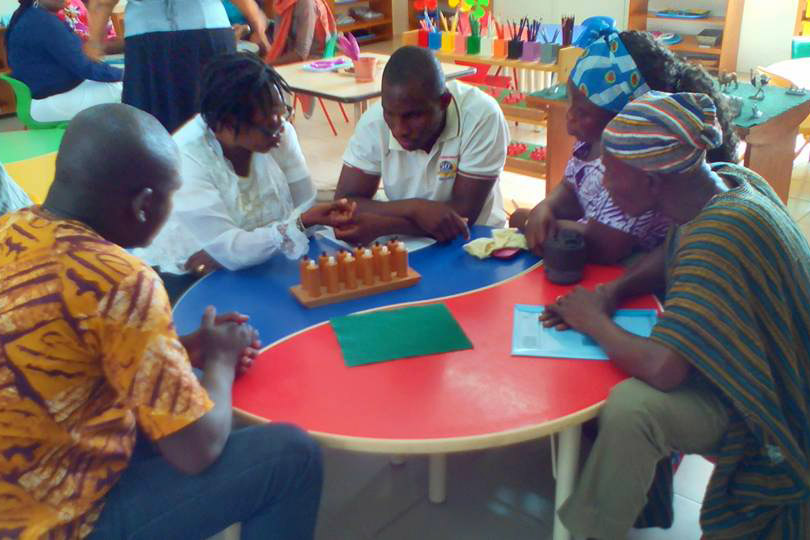 Just a quick note to let you know that all 17 PG field staff arrived in Accra safely on Sunday and began a 5-day workshop at Faith Montessori School. The course timetable includes theory and demonstrations in the morning and practice in the afternoons. Yesterday, we began with an overview of Montessori philosophy and practical life activities. Today, the focus will be on numeracy/arithmetic, followed by literacy and language, and cultural studies to Thursday. Friday is reserved for Outdoor, Cosmic Education and Art & Creativity. Our first day went very well. Just a quick note to let you know that all 17 PG field staff arrived in Accra safely on Sunday and began a 5-day workshop at Faith Montessori School. The course timetable includes theory and demonstrations in the morning and practice in the afternoons. Yesterday, we began with an overview of Montessori philosophy and practical life activities. Today, the focus will be on numeracy/arithmetic, followed by literacy and language, and cultural studies to Thursday. Friday is reserved for Outdoor, Cosmic Education and Art & Creativity. Our first day went very well.
There was a 2 hour practical practice in a Montessori classroom. Participants had so much fun and participated all throughout. One remarkable observation made was that all teachers of the Faith Montessori served well as guides in all the practical lessons we understood.
Madam Emma, the director of Faith Montessori has really made efforts to make us as comfortable as possible. The accommodation is adequate and we have 3-square meals. There’s also a bus that takes us from the hostel to the course center.
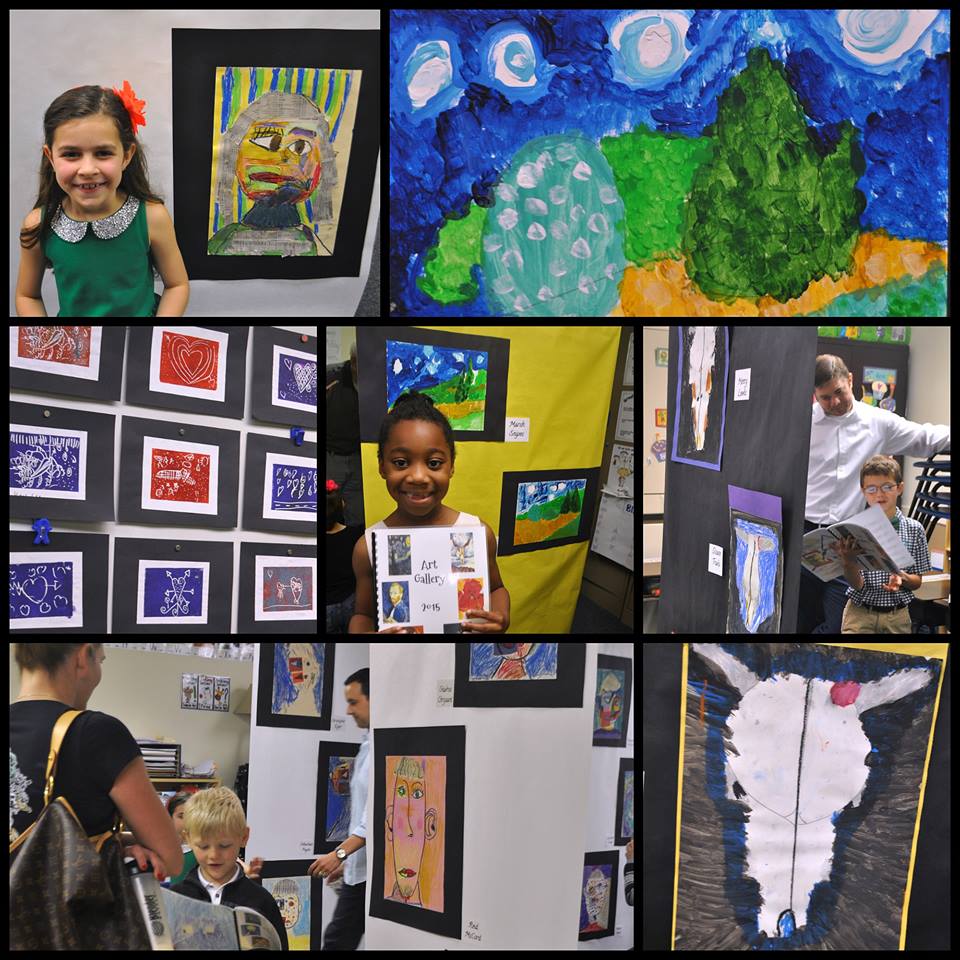 Renowned artists van Gogh, O'Keeffe and Picasso would have been proud of the Heritage Hall 1st grade artists for masterpieces inspired by their works. The pieces were on display in early May at the annual art gallery benefiting PAMBE Ghana. At last count, nearly $1,800 had been raised for the organization.
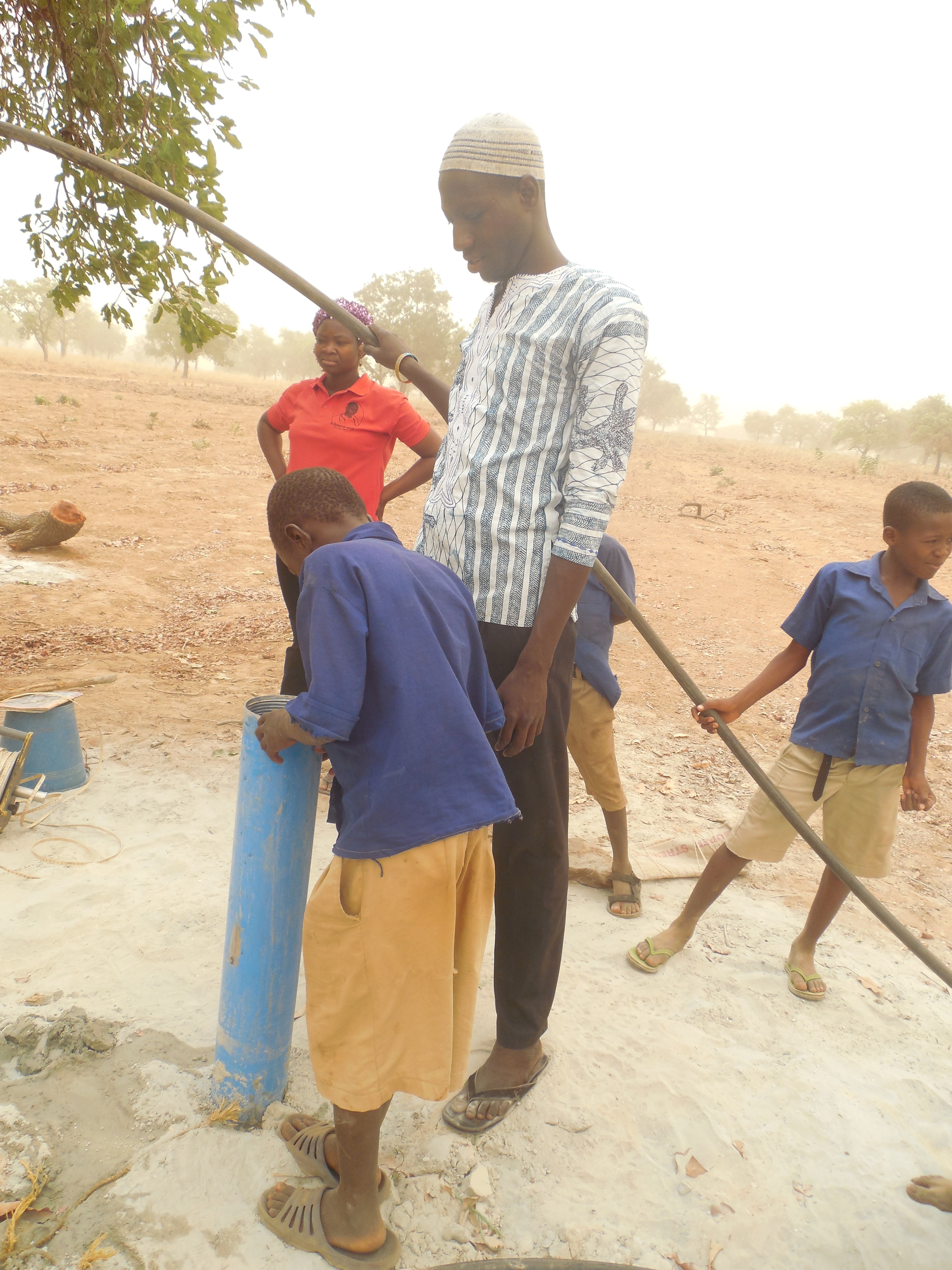
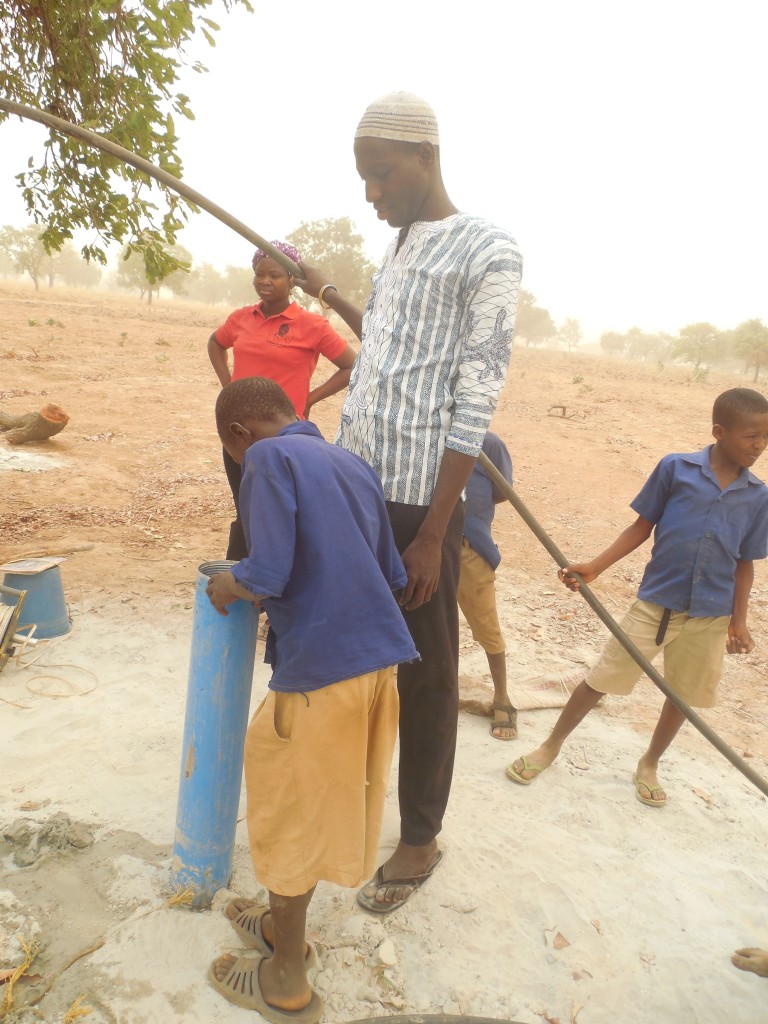 Our bore hole has passed the pumping test in time when the world celebrates Water Day on Sun. March 22! We had been waiting for this day with much anxiety because the outcome of the pumping test would determine the fate of our bore hole. Our bore hole has passed the pumping test in time when the world celebrates Water Day on Sun. March 22! We had been waiting for this day with much anxiety because the outcome of the pumping test would determine the fate of our bore hole.
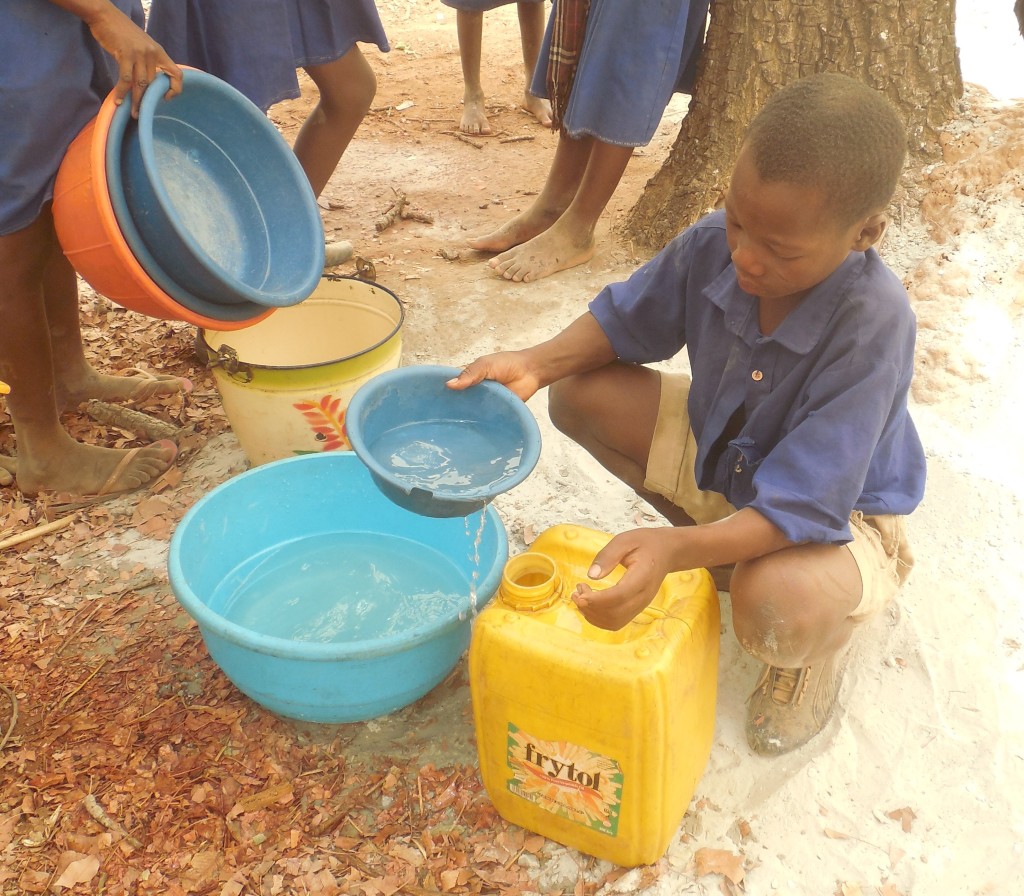
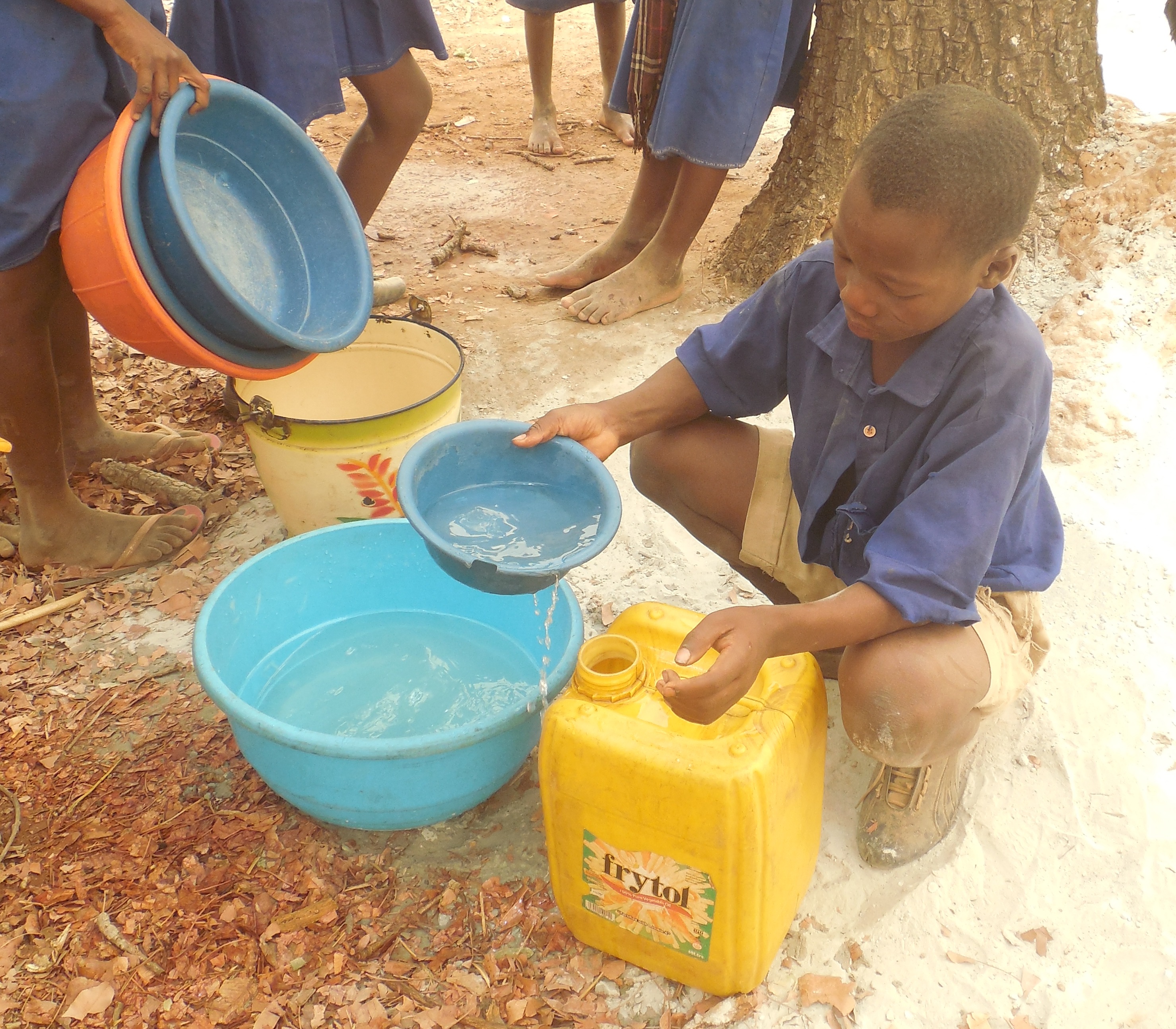
The team arrived this morning around 10:00 a.m. and set up their testing equipment including a submersible pump and a diesel powered generator. The water had risen to 41 meters and thus boosted our hope for a good producing well. As word went round about the pumping of water, students ran out with gallons and other containers they had used to bring water to school. We all watched with excitement and some uneasiness as the water flowed out slowly. I later learned that the technician intentionally regulated the flow so it is constant to aid their observations and recording.
The pumping went on for two and half hours, non-stop. The children gradually filled their containers and took them to their classrooms. Every container, big and small got filled up. The water was clear and tasted okay. The technician assured us it was safe to drink it. The team took a sample to do the quality test in Tamale.
 Then the team proceeded with the even more telling test: the recovery or recharge rate. How quickly does the well replenish itself? After an hour and half the technician declared the recovery rate to poor. However, he recommended going ahead to develop the well, given that it is the best bore hole we would have for LA'ANGUM. With a bottle of water he demonstrated how the water indicator (like a tape measure), which beeps when it comes in contact with water, was used to determine the recovery rate of our bore hole. "The recovery rate is low. But half a loaf is better than none," the technician reminded us of this old adage. The technician did not think our bore hole is a good candidate for mechanization. He advised the installation of a hand pump instead. Then the team proceeded with the even more telling test: the recovery or recharge rate. How quickly does the well replenish itself? After an hour and half the technician declared the recovery rate to poor. However, he recommended going ahead to develop the well, given that it is the best bore hole we would have for LA'ANGUM. With a bottle of water he demonstrated how the water indicator (like a tape measure), which beeps when it comes in contact with water, was used to determine the recovery rate of our bore hole. "The recovery rate is low. But half a loaf is better than none," the technician reminded us of this old adage. The technician did not think our bore hole is a good candidate for mechanization. He advised the installation of a hand pump instead.
Want to try new international foods, explore a Fair Trade Global Market and spend an evening outside in lovely gardens? Listen to music, dance and learn about a group of Oklahomans who are supporting a school in Ghana?
Then don’t miss the second annual PAMBE Ghana Fest, 6-9 p.m. Friday, May 8, at St. Paul’s Cathedral, NW 7 and Robinson. Admission will be $8 a person, $15 a couple and free for children 12 and under. Funds from the event will support the La’Angum Learning Center, an innovative, Montessori-based school in northern Ghana.
“Last year the Fest was a fun event with support from friends and supporters of PAMBE Ghana, as well as members of the large Ghanaian community here in Oklahoma,” Board President Susan Kovats said. “This year’s Fest will be another fabulous opportunity to learn about and enjoy the Ghanaian culture.”
PAMBE Ghana is a partnership between local communities in northern Ghana and supporters in Oklahoma. Together they’ve built the La’Angum Learning Center, a new model for education in Ghana — new because it first teaches children in the language they speak and in a child-centered way. The school currently serves pre-kindergarten through fifth grade, but hopes to expand.
“The Cathedral is proud to support PAMBE Ghana,” The Very Rev. Justin Lindstrom, dean of St. Paul’s Cathedral and a PAMBE board member, said. “We are so glad to be hosting the PAMBE Ghana Fest again this year and hope many will come out to enjoy our beautiful gardens, as well as the great food and entertainment."
Bring folding chairs or blankets to enjoy entertainment on the grass. In the event of rain, the Fest will be moved indoors.
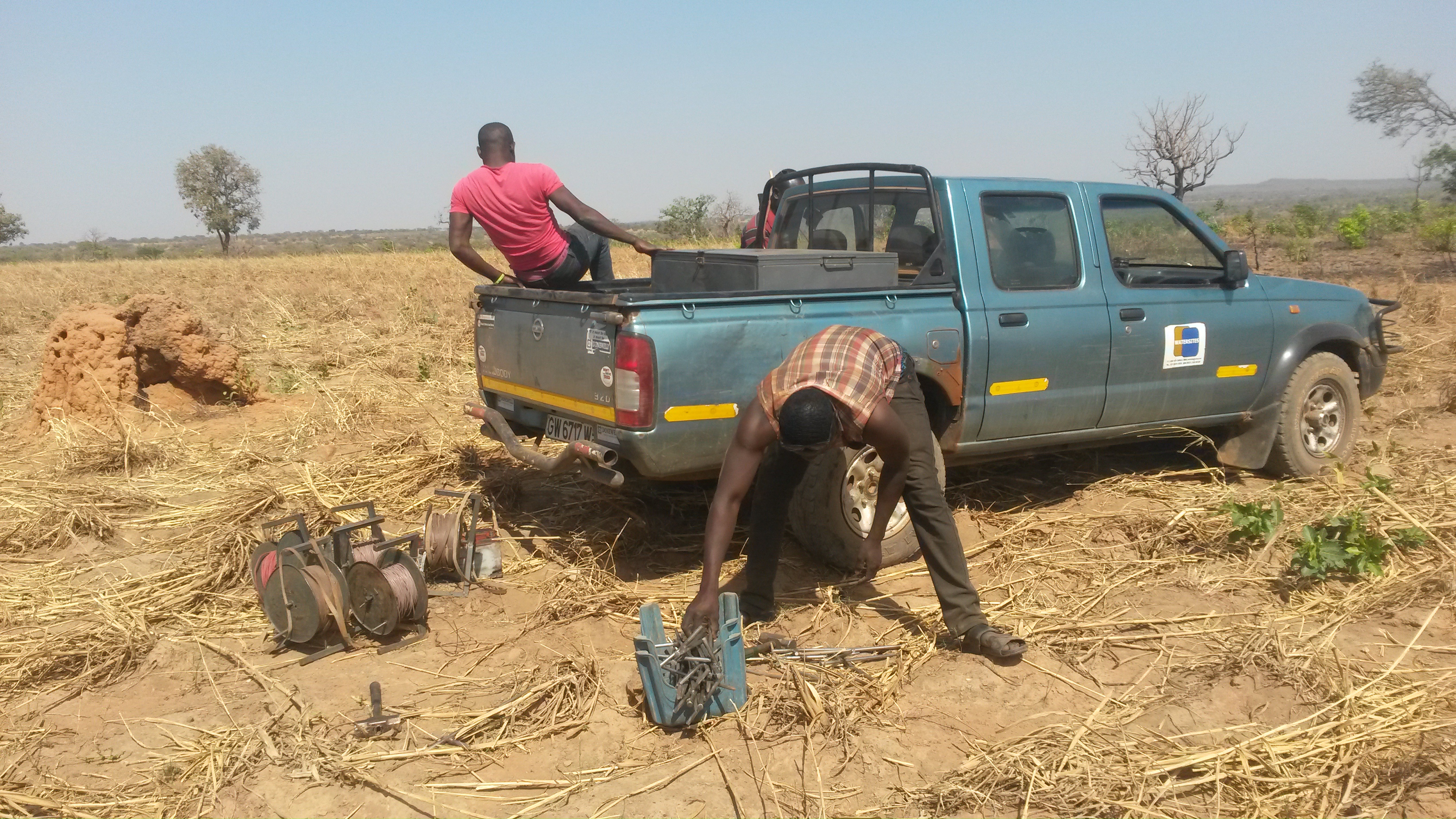
PAMBE Ghana has received a generous donation from Hope H20 Foundation to drill a well at a site near the school. Alice has contracted with John Osman of Watersites Company Ltd in Tamale, Ghana to perform a geophysical survey to identify potential sites for the well, and to drill the borehole.
 Alice writes:
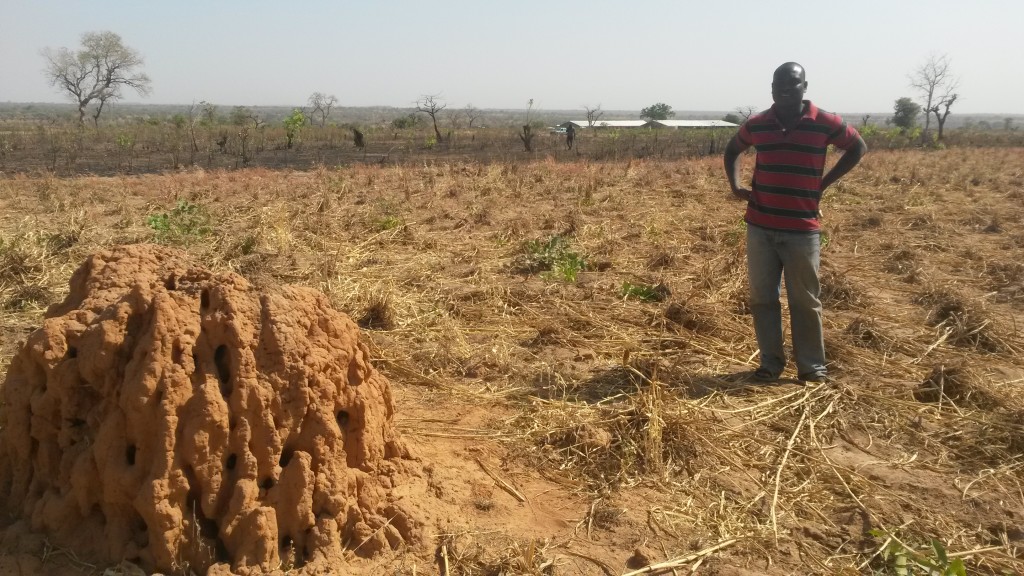
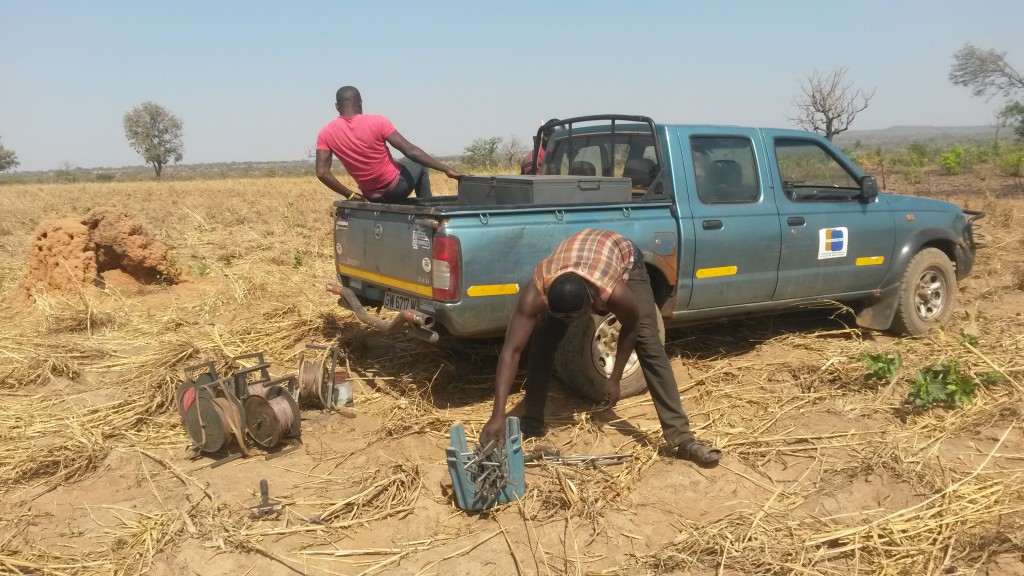
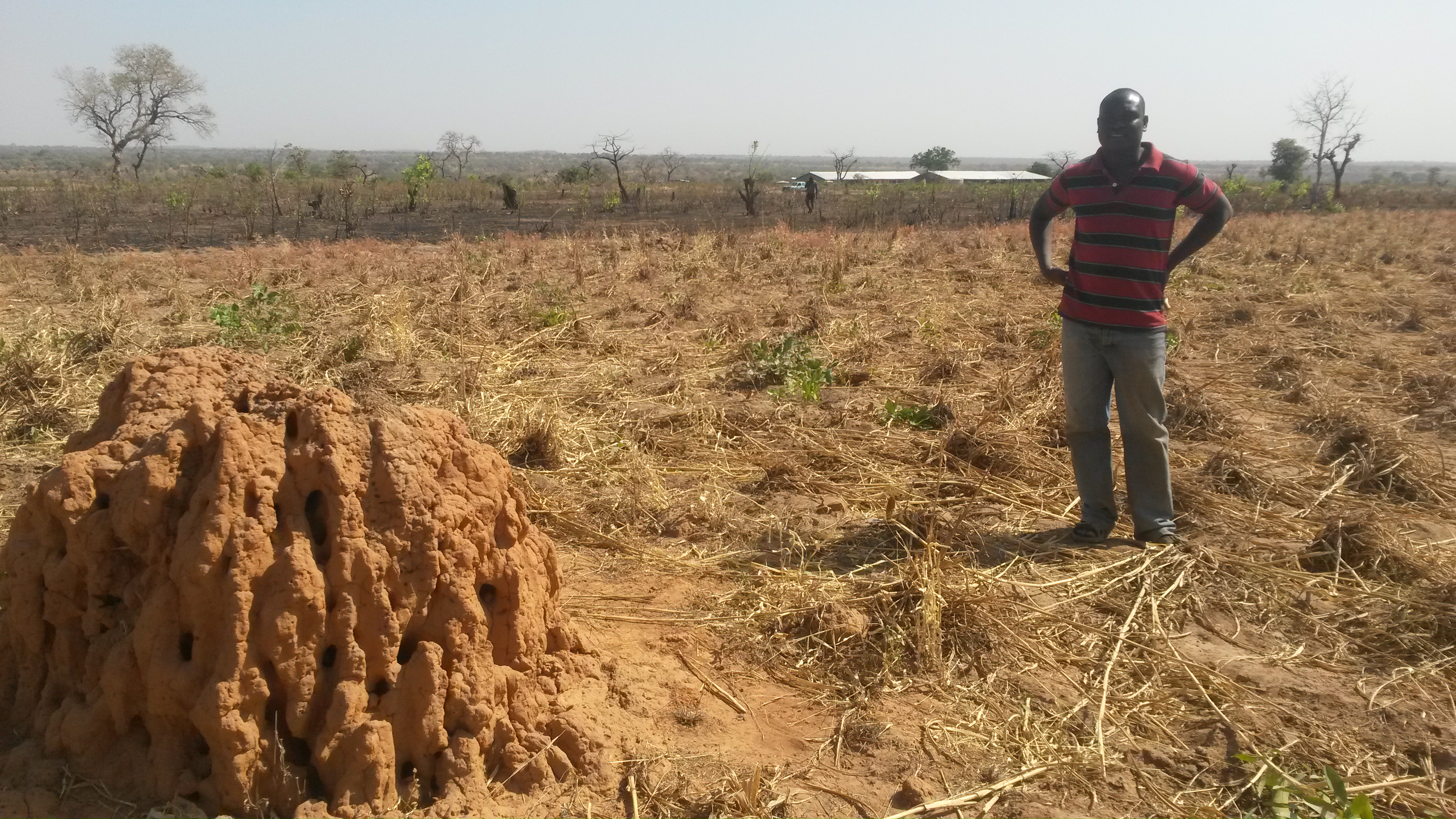
Did you know that anthills (termite?) are a good sign for potential underground water? John says this is because the ants (termites?) get all their water right where they build that formidable piece of architecture. He and his party arrived in LLC arrived 9:00. After a survey of the land all around the school, he identified two sites that have potential for underground water and staked them out for more detailed study, one after the other. The most promising point is right at the termite hill and around it. Both are quite some way from the school, but closer than the current water source (past the village, close to the river). First, we pray for abundant clean water source and the issue of distance later.
by Pat Yonka
An example of generosity: Two of La’Angum’s students from the elementary level came to Langbinsi bearing gifts: pigeons. Alice looked inside the bag and then gave the boys directions in Mampruli. After they left she explained that the pigeons were alive and her instructions to the boys were to return after they had killed, gutted, and de-feathered these unfortunate birds. Had I seen them I probably would have become attached and, thus, unable to eat!
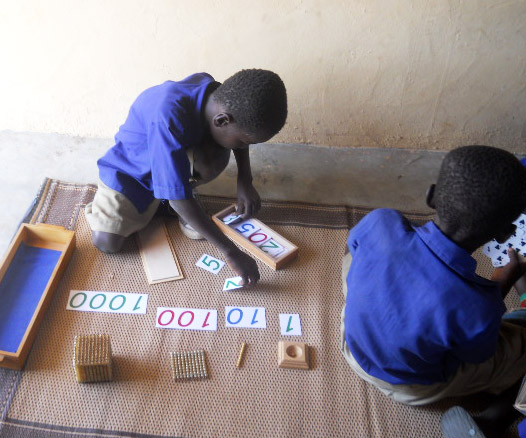 During our first workshop with the elementary level teachers I explained my reconstruction of the classroom in which we met. Instead of rows of tables with benches, all facing the front of the room, I organized the tables into configurations that encouraged work groups but allowed for open floor space for materials presentations as well as individual and group work. The benches were placed around the perimeter of the room. The Montessori materials were arranged on open shelves, all of which had been thoroughly cleaned prior to the workshop. During our first workshop with the elementary level teachers I explained my reconstruction of the classroom in which we met. Instead of rows of tables with benches, all facing the front of the room, I organized the tables into configurations that encouraged work groups but allowed for open floor space for materials presentations as well as individual and group work. The benches were placed around the perimeter of the room. The Montessori materials were arranged on open shelves, all of which had been thoroughly cleaned prior to the workshop.
The workshop began with a comparison of Montessori education to traditional education. As most La”Angum teachers, college-educated, had experienced and replicated traditional methods – teacher at the front of a class with a pointer and a chalk board and students seated on benches at long tables, facing the teacher, my request that they gather on a rug on the floor with me was a bit of a surprise. Some chose to sit at a table but most joined me on the rug.
Then I discussed some of the key points of the Montessori approach to education: child-centered (Montessori’s charge to “follow the child” ), classes organized in age groups- 3 to 6, 6 to 9, and 9 to 12, “freedom within limits”- children may choose work that reflects their interests but must show respect for the materials (exhibited by the care each child demonstrates when using them) and for each other and their teachers, and the dictum that 10% of what a student hears is remembered while 90% of what a student does is learned!
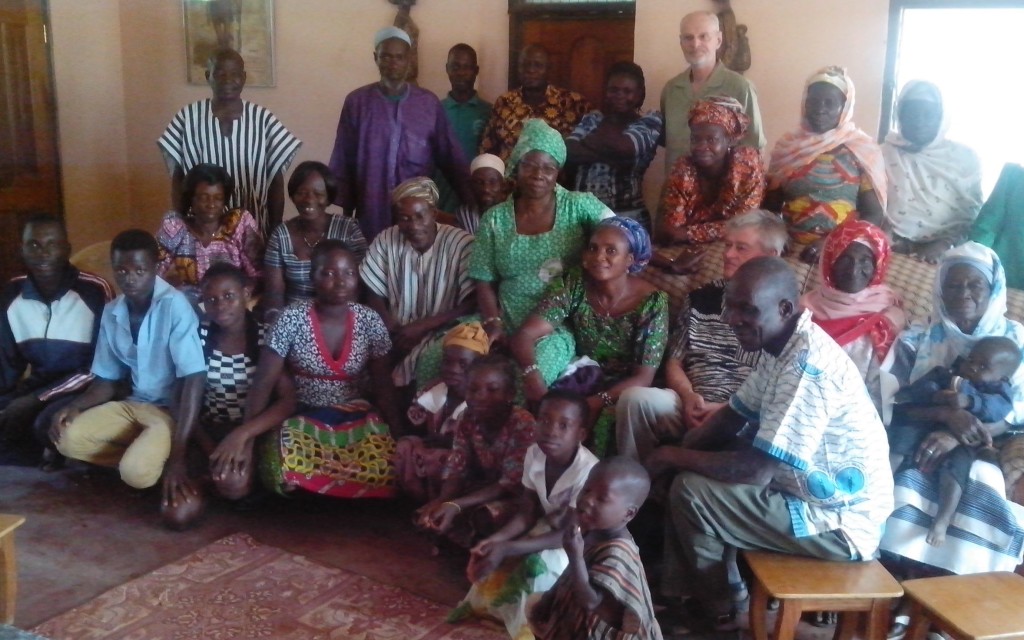
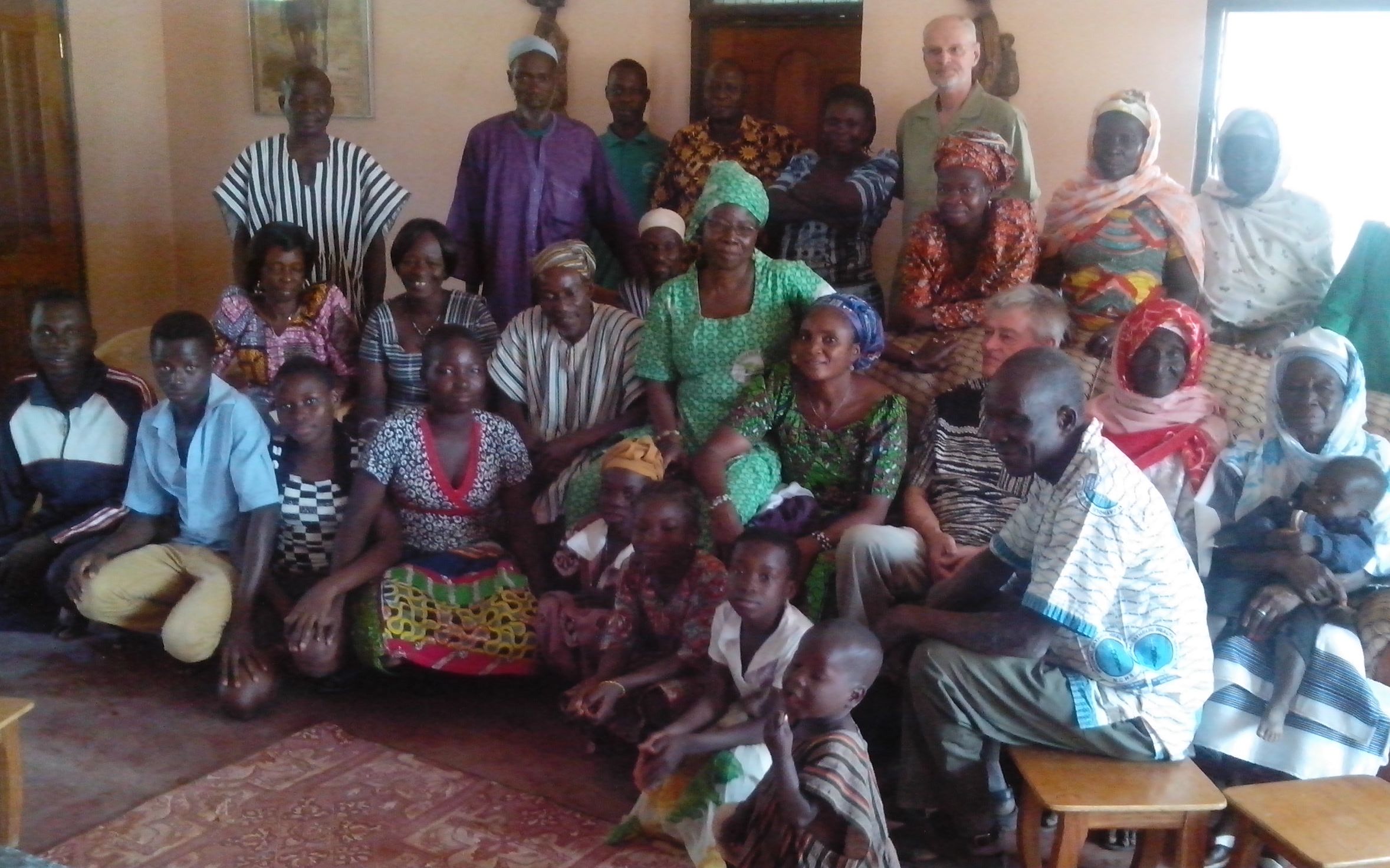
On December 31, I hosted a gathering of close friends of Christian and Dorothe Schneebeli in my home in Bongbini. We had worked and lived together with Dorothe and her family in Walewale in the late 70s/early 80s and the bonding that happened during that time continued to hold this core group together in spirit, if not physically. Baba, Mary and the Head teacher represented PG. Three people from Bumboazio community, including the PTA chair were also present. Last but not least, my Mother and family members partook in the celebration. During her last visit to Ghana in Dec. 2013, Dorothe insisted she must see LLC and my Mom in the village and, she did. PG staff called her “the laughing woman”. I was in OKC then. The gathering was simple and personal. We ate and exchanged fond memories of Dorothe: her large heart and her infectious laughter and joy. She was with us that day and will always be.
Learn more about the Dorothe Schneebeli Endowment Fund
by Pat Yonka
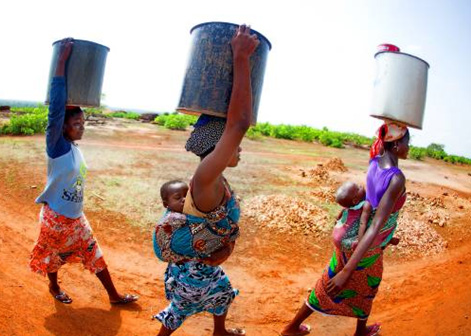 A Visit to Alice’s mother at her compound: I was greeted by her mother and many relatives, an occasion of much joy and laughter, especially when I attempted to carry an empty bucket on my head as is the custom for women and children. Even when I made a nest for the bucket using my bandana, I could barely keep it on my head. Alice said it is because I have “slippery hair.” A Visit to Alice’s mother at her compound: I was greeted by her mother and many relatives, an occasion of much joy and laughter, especially when I attempted to carry an empty bucket on my head as is the custom for women and children. Even when I made a nest for the bucket using my bandana, I could barely keep it on my head. Alice said it is because I have “slippery hair.”
Later I joined a group of women from Bongbini as they plastered the floor of a new hut. As one woman pours water on the floor the others, using large wood mallets, pound and sing until the surface is smooth.
On our walk home that evening I suggested that we cut through the village. Alice replied that, even though we had visited the people whose huts and compounds we were passing, we would be expected to stop and go through the greeting process again. So we took the long route!
Back in Langbinsi I struggled with our Internet connection, hoping to get another letter off. Before long there was a powerful “braying” of a nearby donkey, so loud I thought he had to be right outside our door, and this was at 10 p.m.! Alice wryly replied that it …”is mating season and maybe the ‘braying’ is more than just braying!”
|
Donate Today
Your Donation Today Will Help PAMBE Ghana Provide:
-- Teacher's salary
-- Children’s health insurance
-- Montessori materials
-- Teacher education
PAMBE Ghana is a 501(c)(3)
registered charitable organization.
|


.png)

